

Vegetable Tanned Leather vs Chrome Tanned Leather: Understanding the Difference
In the world of leathercraft, two distinct tanning methods shape the character and longevity of the finished material: vegetable tanning and chrome tanning.
Vegetable tanned leather is crafted using natural tannins derived from tree bark, leaves and other plant materials. This traditional process preserves the hide while allowing it to retain its natural grain and develop depth, strength and patina over time. Chrome tanning, by contrast, uses chromium salts to achieve a softer, more uniform finish with greater production efficiency.
Understanding the difference between these two approaches is essential, as the tanning process ultimately determines the durability, ageing qualities and overall character of the leather goods you choose.
What Is Vegetable Tanned Leather?
Rooted in centuries of craftsmanship, vegetable tanning harnesses natural tannins extracted from bark, leaves and other plant sources. These organic compounds bond with the hide’s collagen fibres, creating leather known for its structure, resilience and character.
One of the defining hallmarks of vegetable tanned leather is its ability to develop a rich patina. With exposure to light, air and handling, the surface gradually deepens in tone, reflecting its journey and the life it accompanies.
Initially firm, vegetable tanned leather softens with use while maintaining its integrity, making it particularly well suited to goods intended to endure.

What Is Chrome Tanned Leather?
Chrome tanning represents a more modern method of leather production. By using chromium salts, the tanning process is significantly accelerated, producing leather that is soft and pliable from the outset.
This method allows for colour consistency and flexibility, qualities often valued in large-scale manufacturing and fashion applications.

Key Differences Between Vegetable and Chrome Tanning
Tanning Method: Plant-based tannins vs chromium salts
Production Time: Several weeks vs a matter of days
Initial Feel: Firm and structured vs soft and supple
Ageing: Develops natural patina vs remains more uniform
Water Resistance: Moderate vs greater initial resistance
Benefits of Vegetable Tanned Leather
Develops a distinctive patina over time
Exceptional durability and longevity
Retains natural full-grain character
Rooted in traditional craftsmanship
Reduced reliance on synthetic chemicals
Because of its strength and integrity, vegetable tanned leather is often chosen for products designed to be used daily and kept for years.
Why Tanner Bates Chooses Vegetable Tanned Leather
At Tanner Bates, our commitment to craftsmanship is grounded in the use of full-grain vegetable tanned leather. Its durability, individuality and capacity to age gracefully align with our belief in creating goods that accompany their owners over time.
From leather belts to wallets and bags, vegetable tanned leather allows each piece to develop a character entirely its own.

Frequently Asked Questions About Vegetable Tanned Leather
What is vegetable tanned leather?
Vegetable tanned leather is crafted using natural tannins derived from tree bark, leaves and other plant materials. Unlike chrome tanning, which relies on synthetic chemicals, vegetable tanning is a traditional and time-honoured process. The result is a firmer leather that develops depth, character and a rich patina over time.
Is vegetable tanned leather real leather?
Yes. Vegetable tanned leather is genuine leather made from animal hide, most commonly cowhide. The term “vegetable” refers solely to the plant-based tannins used in the tanning process.
What is the difference between vegetable tanned and chrome tanned leather?
The primary distinction lies in the tanning method. Vegetable tanning uses plant-based tannins and takes several weeks to complete, allowing the leather to retain its natural grain and structure. Chrome tanning uses chromium salts and is significantly faster. Vegetable tanned leather is typically firmer and develops a natural patina, while chrome tanned leather offers immediate softness and greater initial water resistance.
Is vegetable tanned leather better than chrome tanned leather?
“Better” depends on the intended use. Vegetable tanned leather is valued for its durability, traditional craftsmanship and ability to age gracefully. Chrome tanned leather offers softness and consistency from the outset. For those who appreciate materials that mature with time, vegetable tanning is often preferred.
What are the pros and cons of vegetable tanned leather?
Pros: Durable, develops a distinctive patina, rooted in traditional craftsmanship, reduced reliance on synthetic chemicals.
Cons: Less water resistant than chrome leather, firmer when new, and typically higher in cost due to the lengthier tanning process.
How long does vegetable tanned leather last?
With appropriate care, vegetable tanned leather goods can last for decades. Rather than wearing out, they tend to wear in, gaining character and individuality through use.
Can vegetable tanned leather get wet?
Vegetable tanned leather can withstand occasional moisture but is not naturally waterproof. Excessive exposure to water may cause darkening or stiffness. If it becomes wet, it should be allowed to dry naturally away from direct heat before being gently conditioned.
Is vegetable tanned leather suitable for wallets and belts?
Yes. Its strength and structure make it particularly well suited to items such as wallets and belts. Over time, it subtly moulds to its use while developing a patina unique to its owner.

Also in Knowledge base
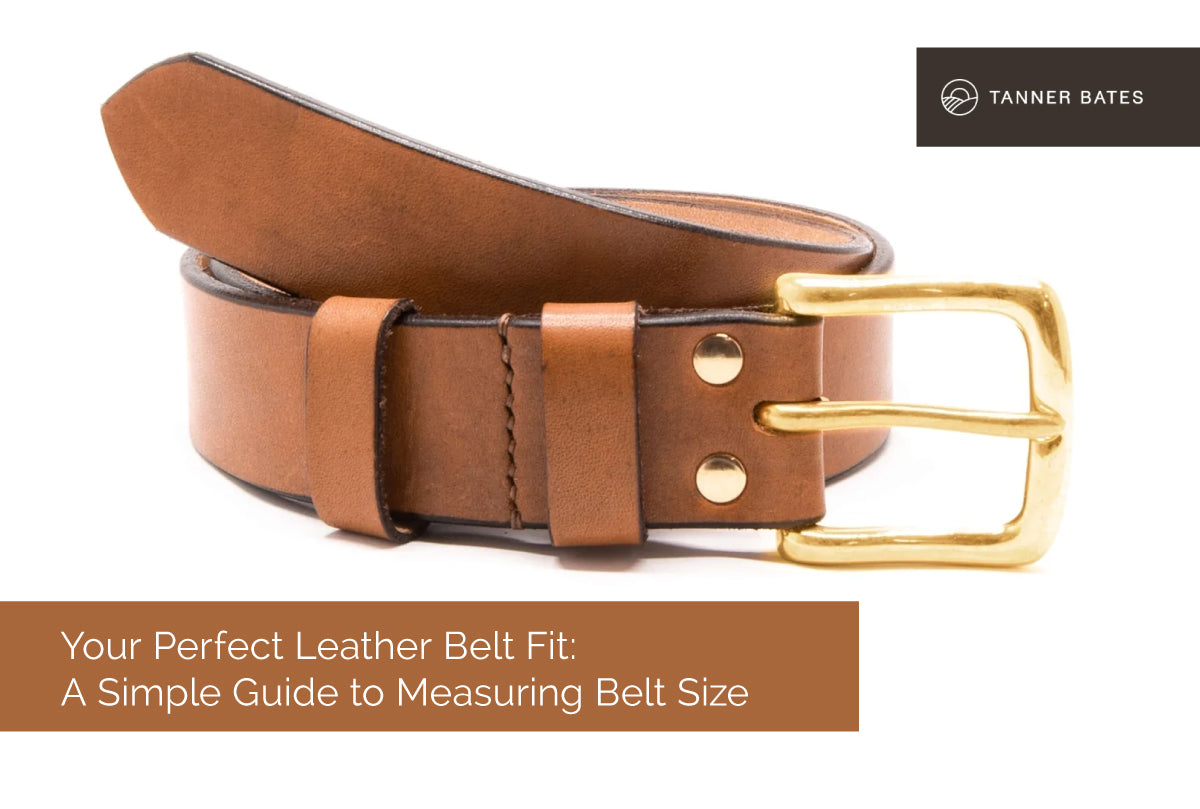
Your Perfect Leather Belt Fit: A Simple Guide to Measuring Belt Size
Ever bought a belt online only to discover it's either cutting into your waist or sliding down your hips?
The frustration of getting belt sizing wrong is real. Too tight, and you're uncomfortable all day. Too loose, and you're constantly adjusting. There is actually a simple rule that takes the guesswork out of measuring belt size entirely.
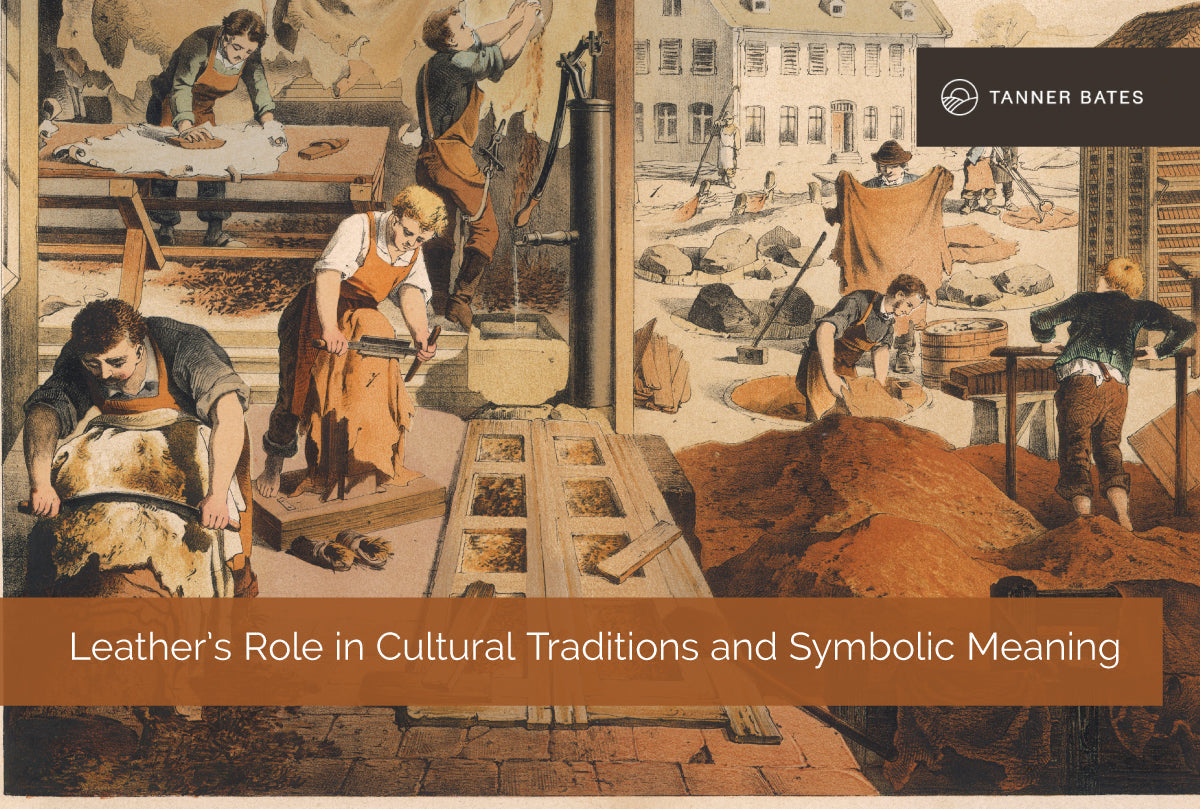
Leather’s Role in Cultural Traditions and Symbolic Meaning
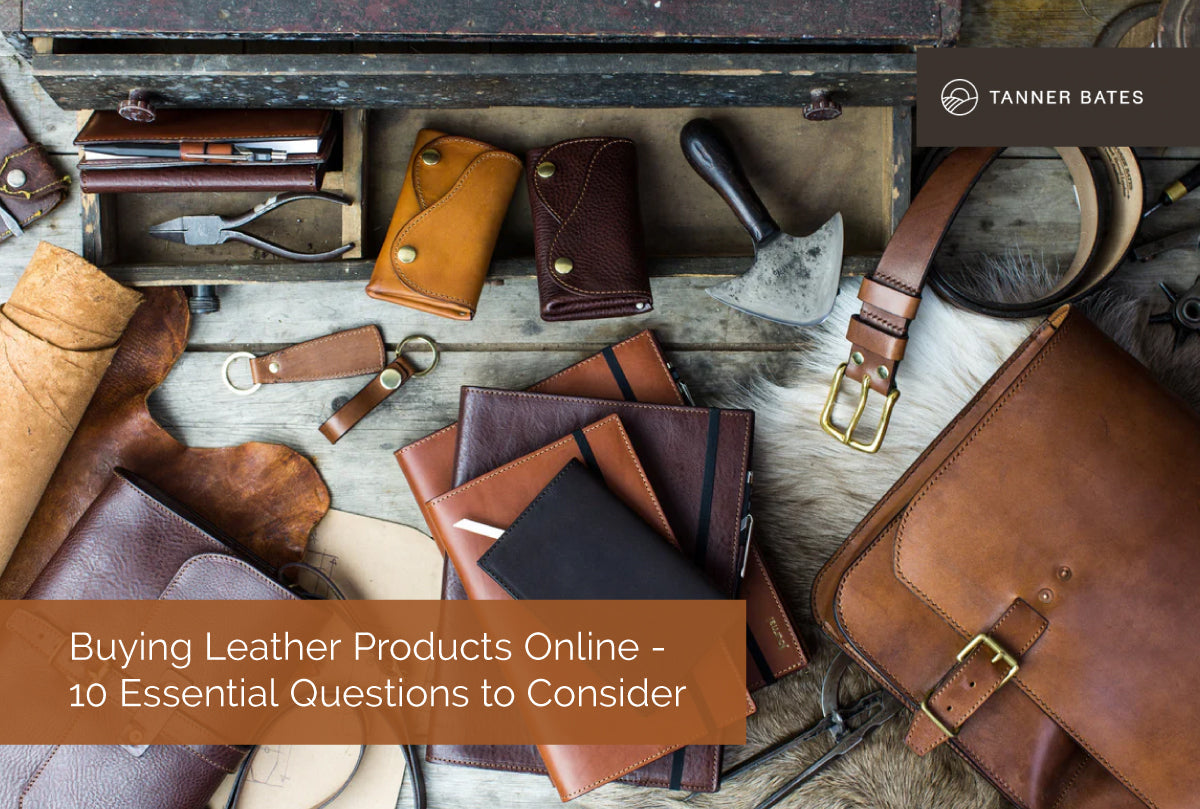
Buying Leather Products Online - 10 Essential Questions to Consider
Shopping for leather products online can be exciting, but it’s not always easy to know if you’re making the right choice. Leather goods often come with a price tag that reflects their quality and craftsmanship, so it’s important to make an informed decision.